

Major Achievements
1. Strengthening Healthcare Resilience: Integrating Disaster Risk Reduction & Management in the Project to Develop a Supportive Healthcare System through Reconstruction of a State-of-the- Art Basic Health Unit
(BHU-Hospital) in District Dir Upper KP Pakistan:
Introduction:
WADDAN, in collaboration with RAHA (Refugees Affected and Hosting Areas)/UNHCR/KFW, has undertaken significant work in the health sector in Dir Upper district. The major components of their efforts include raising awareness about antenatal care, capacity building, reconstruction of a ruined Basic Health Unit (BHU), and the construction of a labor room and Mother & Child Health (MNCH) Center within the BHU.
Back Ground:
During the military operation in Malakand, the Union Council Dogdara in Dir Upper district was occupied by militants for an extended period. As a result, the civic services, including schools, water supply schemes, link roads, and private properties, were destroyed. The only available health facility, BHU Dog Dara, was also abolished by the militants. The local population was disheartened due to human losses during the operation, leading many to migrate to other districts of Khyber Pakhtunkhwa or be shifted to union councils like Qulandi, Sheringal, and Sawni. The rush of people affected the civic services, and the lack of health facilities posed significant problems. In Union Council Dogdara, there was no functional health facility, and no humanitarian organizations were working in the health sector. Consequently, the people of Dogdara had to travel 60 kilometers (approximately five hours) to reach the District Headquarters (DHQ) for medical treatment. The morbidity ratio in the area was high, and waterborne diseases had affected the lives of thousands of people, particularly women and children. Illiteracy and lack of awareness about precautionary and safety measures further exacerbated the situation. The absence of a basic health facility had a negative impact on the health of the local community, and the lack of a labor room facility put maternal and child lives at risk. Additionally, the unavailability of proper transport mechanisms made pregnant women more vulnerable to death.
Reconstruction & Development:
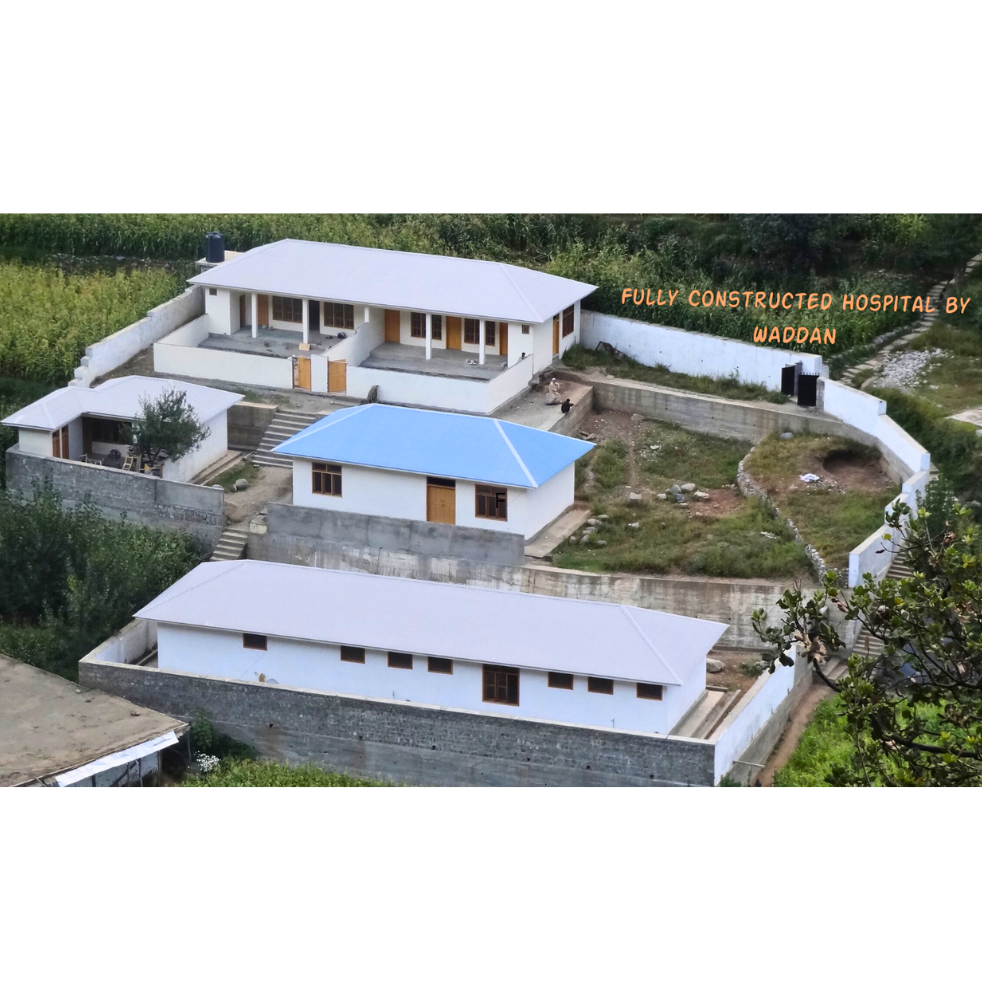
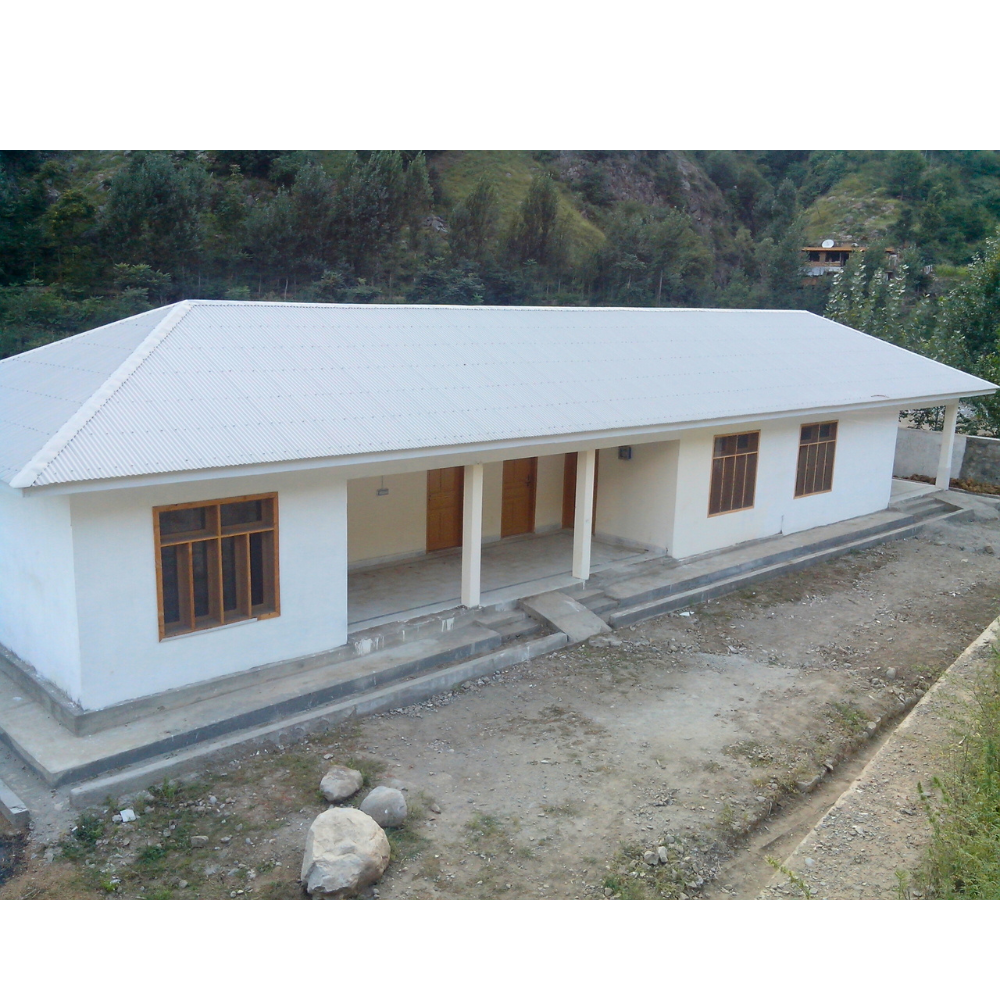
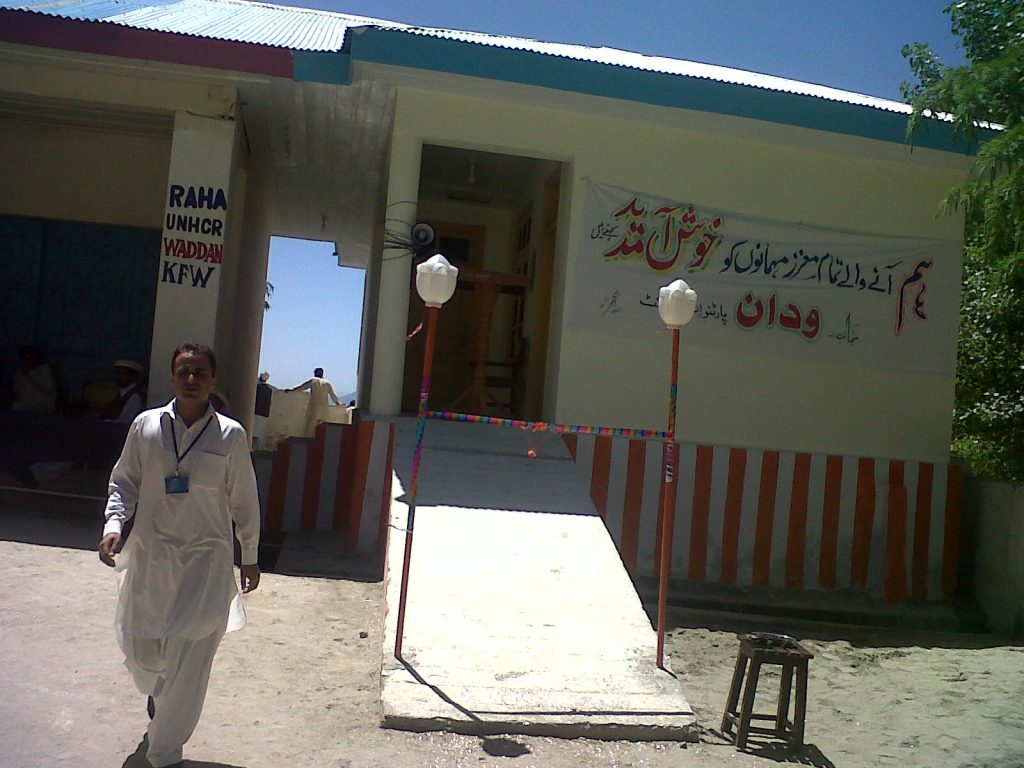
To address these pressing healthcare challenges, WADDAN, with financial assistance from RAHA, UNHCR/KFW undertook the development of a healthcare support system through the reconstruction of the Government BHU in Miana Doag, District Dir Upper. The newly reconstructed BHU, established by WADDAN, consists of a Service Unit, Doctor Residence, Medical Technician Quarter, Lady Health Visitor (LHV) Quarter, and Class IV Quarter. Additionally, a Mother & Child Health Center was constructed within the BHU premises. The total covered area of the reconstructed BHU in Miana Doag is 7500 square feet.
Targeted Beneficiaries:
The model BHU is now providing healthcare services to the people of Union Council Doag Dara in District Dir Upper and its adjacent Union councils. The population of Union Council Doag Dara is more 80,000. The BHU, with its complete infrastructure and state-of-the-art facilities, offers comprehensive
healthcare services to the community. The average daily outpatient department (OPD) attendance in the BHU is more 200 patients.
Cost-effective Initiative:
The estimated cost of establishing a BHU by the government is approximately 60 million PKR. However, WADDAN managed to establish the BHU in Doag Dara at a significantly lower cost of 20 million PKR. Showcasing efficient resource utilization.
Impact on the Local Community:
The achievement of WADDAN in developing a healthcare support system through the reconstruction of the BHU in District Dir Upper has had a significant impact on the local community. By providing accessible healthcare services, raising awareness about antenatal care, and establishing a specialized Mother & Child Health Center, WADDAN has addressed the critical healthcare needs of the population. The efficient utilization of resources, collaboration with external organizations, and involvement of the local community have contributed to the success of this achievement.
Challenges during Implementation:
During the reconstruction of BHU Miana Doag, the following challenges were encountered:
The implementation of the reconstruction project faced various challenges, including a non- cooperative community, harsh winter weather and snowfall, the mountainous area’s rugged terrain, lack of proper road infrastructure, absence of a reliable telecommunication system, remote location, donkey transportation and security concerns. However, through careful planning, adaptability, and resourcefulness, these challenges were successfully overcome.
Conclusion & Outcomes:
In conclusion, the successful implementation of the project by WADDAN in spite of the challenges faced has resulted in significant improvements in healthcare outcomes for the local community in Dir Upper. The reconstruction of the Basic Health Unit (BHU) has brought about several positive changes that have positively impacted the community’s access to healthcare and overall well-being.
One of the major outcomes of the reconstruction is the increased access to healthcare services. Previously, community members had to overcome significant obstacles to reach healthcare facilities. However, with the establishment of the reconstructed BHU, community members now have a nearby healthcare facility that offers a wide range of services. This has greatly reduced the need for long and arduous journeys to the District Headquarters for medical treatment, particularly for emergency cases and individuals with limited mobility.
Moreover, the reconstructed BHU provides comprehensive healthcare services, ranging from primary care consultations to antenatal care, child healthcare, immunizations, family planning, and basic laboratory tests. This ensures that the community has access to essential healthcare interventions and preventive measures, resulting in improved health outcomes.
The creation of a dedicated Mother and Child Health (MNCH) Center within the BHU is another significant outcome. This specialized center offers comprehensive care for pregnant women, including prenatal care, safe deliveries, postnatal care, and neonatal care. By focusing on maternal and child health, the center helps reduce complications during pregnancy and childbirth, leading to improved survival rates and better health outcomes for mothers and infants.
The presence of the BHU has also contributed to timely and efficient care. The availability of healthcare professionals, equipment, and medications allows individuals to receive prompt healthcare services,
aiding in the management of acute conditions, prevention of complications, and timely treatment of minor ailments before they worsen.
Additionally, the BHU likely engages in health education and awareness activities, providing valuable information on disease prevention, hygiene practices, family planning, and other health-related topics. This empowers the community to make informed health decisions, leading to better health behaviors and reduced disease burden.
Furthermore, the reconstruction process may have involved community participation, fostering a sense of ownership and responsibility. The BHU can serve as a center for community health initiatives, encouraging participation in health programs and promoting community-led efforts for improved health outcomes.
Overall, the reconstruction of the BHU in District Dir Upper has resulted in significant improvements in healthcare outcomes. The increased access to healthcare services, provision of comprehensive care, specialized MNCH services, timely interventions, health education, and community engagement have collectively contributed to better health outcomes, reduced morbidity and mortality rates, and enhanced community well-being. These outcomes demonstrate the positive impact of the project on the lives of the local community and the effectiveness of WADDAN’s efforts in improving healthcare in the region.
Handing Over:
Furthermore, it is worth noting that upon completion, the reconstructed BHU has been successfully handed over to the government. This transfer of ownership ensures the sustainability of the project and its long-term impact on healthcare outcomes
2. Enhancing Disaster Resilience: Construction of Retaining Walls and Protection Walls in Hospital BHU Doag Dara
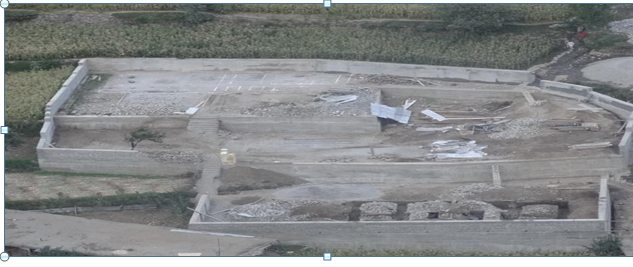
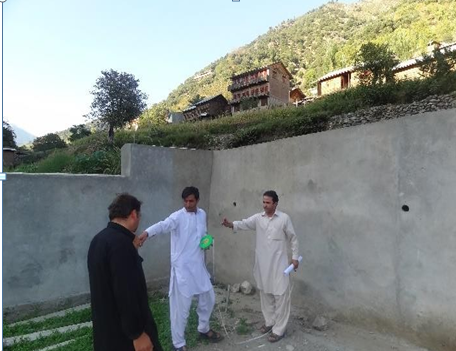
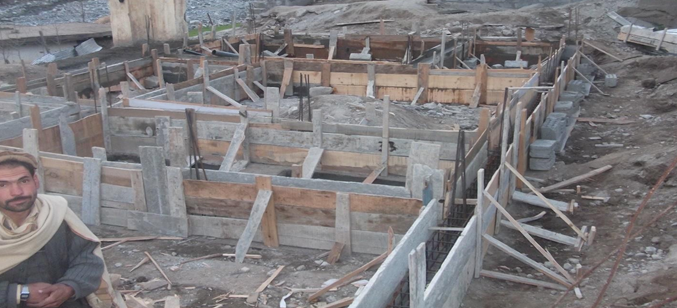
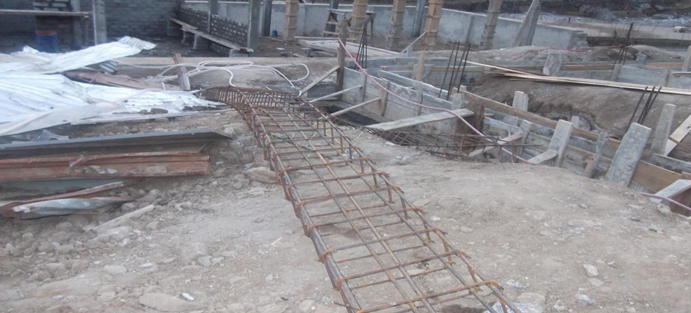
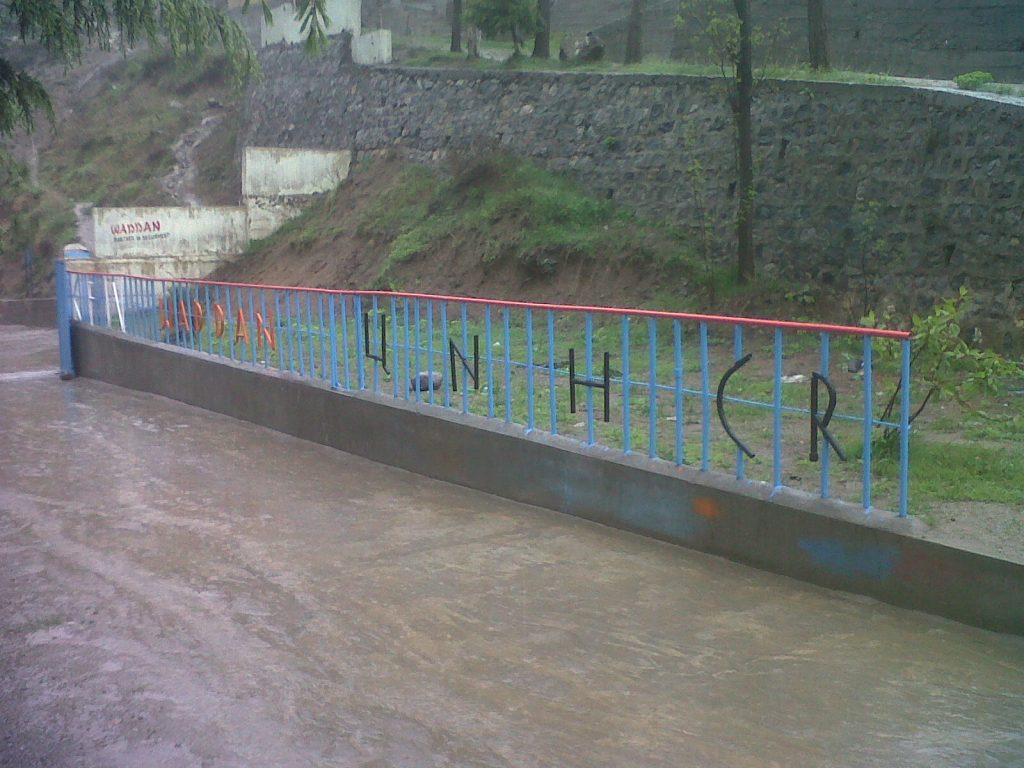
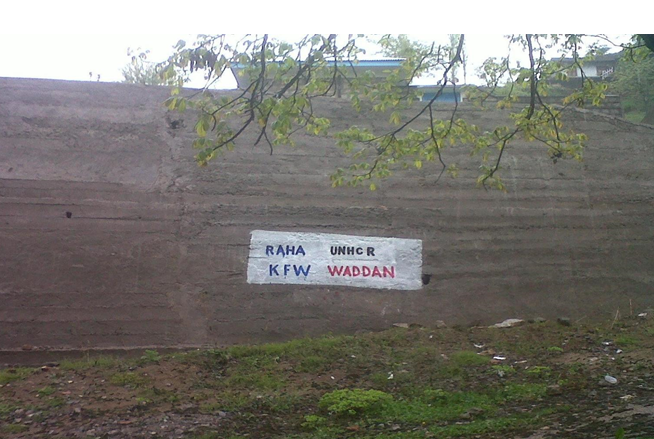
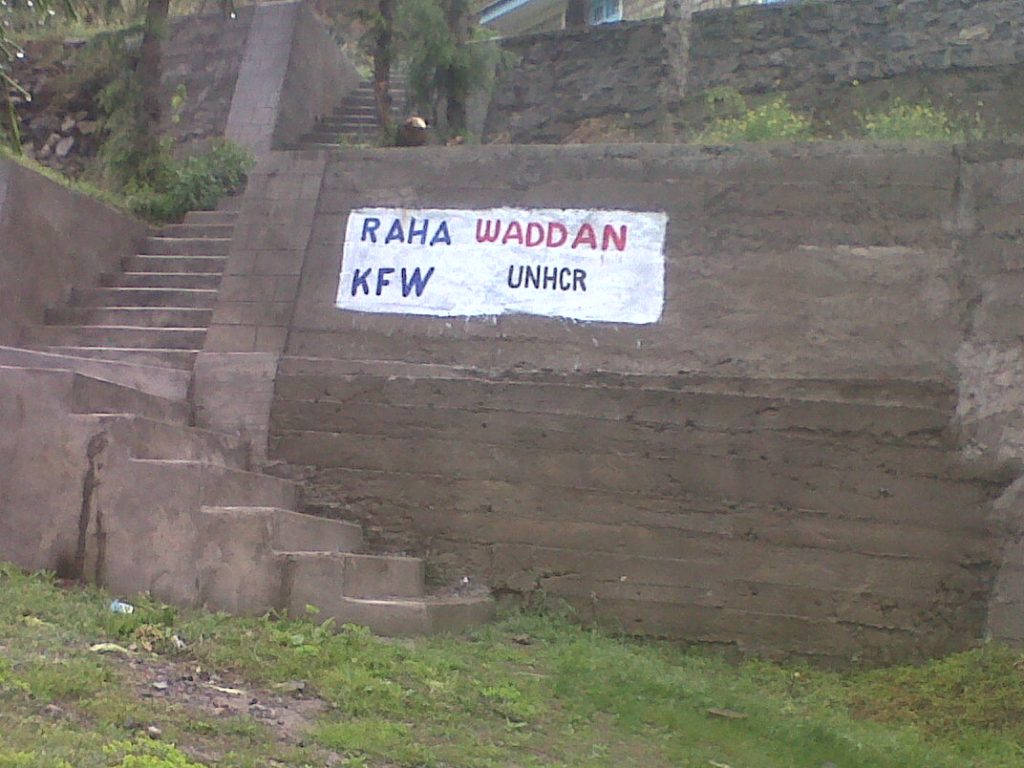
Our organization has undertaken an exceptional achievement in disaster and risk reduction through the construction of a wide range of retaining walls and protection walls in the hospital BHU Doagdara. These infrastructure projects have had a significant impact on enhancing the safety and resilience of the healthcare facility and the local community it serves.
The construction of retaining walls and protection walls is a crucial aspect of disaster and risk reduction, particularly in areas prone to natural disasters such as landslides, soil erosion, and flooding. These walls act as a protective barrier, minimizing the potential damage caused by such hazards and ensuring the stability and longevity of the infrastructure.
By constructing these walls in the hospital BHU Doagdara, our organization has effectively mitigated the risks associated with natural disasters in the area. The retaining walls prevent soil erosion and landslides, which are common hazards in hilly terrain. They provide essential structural support to prevent the collapse of slopes and embankments, safeguarding the integrity of the healthcare facility and protecting the lives of patients, staff, and visitors.
Furthermore, the protection walls constructed by our organization serve as a defense against flooding and water- related disasters. These walls are strategically designed and built to divert or contain floodwaters, minimizing the potential damage to the hospital infrastructure and ensuring the safety of individuals seeking medical care during such events. The protection walls effectively channel and redirect the flow of water, reducing the risk of flooding and its adverse consequences.
The significance of these infrastructure projects extends beyond the immediate protection of the hospital. By enhancing the resilience of the healthcare facility, our organization has also contributed to the continuity of essential healthcare services during and after disasters. The presence of sturdy retaining walls and protection walls ensures that the hospital can remain operational even in challenging circumstances, allowing medical professionals to continue providing critical care to the affected population.
Moreover, the construction of retaining walls and protection walls in the hospital BHU Doagdara serves as a model for disaster and risk reduction in the broader community. It showcases the importance of proactive measures in minimizing the impact of natural disasters and underscores the role of infrastructure in building resilience. The local community can draw inspiration from these projects, implementing similar measures to protect their homes, businesses, and public facilities from the devastating effects of natural hazards.
In conclusion, our organization’s achievement in constructing retaining walls and protection walls in the hospital BHU Doagdara is a testament to our commitment to disaster and risk reduction. These infrastructure projects have significantly enhanced the safety and resilience of the healthcare facility, mitigating the risks associated with natural disasters such as landslides, soil erosion, and flooding. By ensuring the continuity of essential healthcare services during and after disasters, our organization has made a lasting impact on the well-being of the local community. The construction of these walls also serves as a model for disaster resilience, inspiring others to adopt similar measures and contributing to the overall safety and preparedness of the area.
3. Building Resilience: Strengthening Disaster Preparedness and Response in the Hospital, with Emphasis on Seismic Safety
To enhance disaster resilience in the hospital, several specific measures are being taken. These measures focus on various aspects of preparedness, structural reinforcement, and emergency response. Given that the hospital is located in a red zone for earthquakes, special attention has been given to proper strengthening and structural work. Here are some specific measures being implemented:
Construction of Retaining Walls and Protection Walls: Strategically designed retaining walls and protection walls have been constructed to prevent soil erosion, landslides, and flooding, which are common hazards in the area. These walls not only offer structural support but also redirect floodwaters, providing additional protection to the hospital infrastructure and ensuring the safety of patients, staff, and visitors.
Structural Assessments and Upgrades: Regular structural assessments of the hospital buildings are conducted to identify vulnerabilities and potential risks, with a particular focus on seismic safety. Based on these assessments, necessary upgrades and reinforcements have been implemented to improve the structural integrity of the buildings. This includes strengthening foundations, reinforcing walls and roofs, and retrofitting structures to withstand seismic activity and other hazards prevalent in the area.
Emergency Preparedness Training: Hospital staff members undergo regular training in emergency preparedness, including protocols for disaster response, evacuation procedures, first aid and triage training, and effective communication during emergencies. Staff members are equipped with the knowledge and skills needed to respond effectively to various disaster scenarios, with a specific emphasis on earthquake preparedness and response, ensuring immediate assistance to patients.
Emergency Response Plan: A comprehensive emergency response plan has been developed and implemented in the hospital, considering different types of disasters, including earthquakes. The plan outlines specific actions to be taken during such events, including evacuation procedures, coordination with local authorities and emergency services, and
resource allocation. By ensuring a coordinated and efficient response, the plan minimizes potential risks and ensures the safety of everyone in the hospital.
Backup Power and Essential Services: To maintain continuity of care during emergencies, the hospital has installed backup power systems, such as generators or uninterruptible power supplies. These systems ensure the continuous operation of critical medical equipment, lighting, and essential services, even during power outages caused by earthquakes. Additionally, backup water supply systems may have been put in place to ensure the availability of clean water for patient care.
Communication and Information Systems: Robust communication systems have been established within the hospital to facilitate effective communication during emergencies, including earthquakes. These systems also include connections with external emergency services and authorities, ensuring real-time access to information about the situation, weather updates, and emergency notifications. Such communication is vital for timely decision-making and coordination during seismic events.
Regular Drills and Exercises: The hospital conducts regular drills and exercises to test its preparedness and response capabilities, with a particular focus on earthquake scenarios. These drills include mock disaster situations, evacuation drills, and tabletop exercises aimed at stimulating emergency situations and evaluating the effectiveness of existing plans and procedures. Lessons learned from these exercises are used to continually improve the hospital’s disaster response strategies, with a strong emphasis on seismic resilience.
By implementing these specific measures, the hospital enhances its overall disaster resilience, with a particular focus on seismic safety due to its location in a red zone for earthquakes. These measures aim to minimize the impact of disasters, ensure the safety of patients and staff, maintain continuity of care, and enable an efficient response to emergencies, including seismic events.
4. Improving Health Situation of Women through Provision of Obstetric and Neonatal Faculties to Women of District Dir Upper KP Pakistan
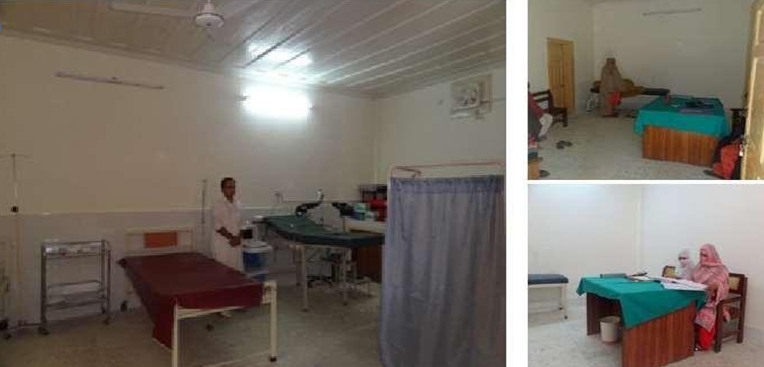
One of the significant achievements of the NGO, WADDAN, has been the improvement of the health situation for women in the District Dir Upper through the provision of obstetric and neonatal facilities. Prior to the intervention, most of the government Basic Health Units (BHUs) in the district did not have labor rooms or Mother & Child Health Centers (MNCH). In collaboration with RAHA/UNHCR/KFW, WADDAN has worked on establishing and constructing MNCH Centers in Qulandi and Sawni BHUs.
These MNCH Centers, equipped with labor rooms, have become operational with the dedicated services of lady doctors, Lady Health Visitors (LHVs), nurses, and the availability of essential medicines and equipment, including ultrasound machines. The primary objective of these centers is to provide 24/7 free-of-cost services to the local population, focusing on maternal and neonatal healthcare.
One remarkable outcome of these efforts is that not a single delivery case has been referred to the Tehsil Headquarters (THQ) or District Headquarters (DHQ) hospital from these MNCH Centers. This accomplishment highlights the successful provision of comprehensive obstetric care, including deliveries, at the local level. The centers have effectively catered to the needs of pregnant women within their communities, ensuring safe and accessible delivery services.
The average monthly birth delivery figure of 30 per center reflects the utilization and trust placed in these MNCH Centers by the local population. The availability of skilled healthcare professionals, such as lady doctors, LHVs, and nurses, along with the necessary medicines and equipment, has contributed to the successful management of deliveries and postnatal care.
By establishing these model MNCH Centers and ensuring their operation, WADDAN has made a significant impact on improving the health situation of women in District Dir Upper. The provision of accessible and quality obstetric and neonatal care has not only reduced the burden on higher-level healthcare facilities but has also ensured that women receive appropriate care in their own communities. This achievement underscores the commitment of WADDAN in addressing the healthcare needs of women, promoting safe motherhood, and safeguarding the well-being of newborns in the district.
5.Rehabilitation of BHUs in District Dir Upper and Disaster Risk Reduction and Management (DRR/DRM) Initiatives
WADDAN, in collaboration with RAHA, has achieved significant milestones in rehabilitating the selected BHUs in District Dir, addressing the deficiencies in obstetric and neonatal healthcare facilities. Additionally, WADDAN has also undertaken commendable efforts in the field of Disaster Risk Reduction and Management (DRR/DRM) to enhance the resilience of the healthcare infrastructure and mitigate the risks posed by natural hazards.
Rehabilitation of BHUs: The selected BHUs in Qulandi and Sawni were lacking in essential healthcare facilities, including labor rooms, necessary equipment, and adequate medicine and supplies. To rectify this situation, WADDAN, with the financial assistance of RAHA, has undertaken a comprehensive rehabilitation project. As part of this initiative, the existing staff residences have been renovated, ensuring improved living conditions for the healthcare personnel. This contributes to staff retention and motivation, ultimately enhancing the quality of healthcare services provided in the BHUs.
Renovation of Buildings: WADDAN has renovated the buildings within the BHUs to address the infrastructure gaps and improve the overall functionality and safety of the healthcare facilities. The renovations include structural enhancements to withstand potential disasters and ensure the longevity of the buildings.
Water Supply Schemes: WADDAN has reinstalled water supply schemes within the BHUs, guaranteeing a reliable and clean water supply. This is crucial for maintaining proper hygiene standards and facilitating the delivery of quality healthcare services.
Retaining Walls and Protection Walls:
To minimize the risk of future damages to the buildings, WADDAN has constructed retaining walls and protection walls. These structures are designed to mitigate the impact of natural hazards such as landslides, erosion, or flooding, thereby enhancing the resilience of the healthcare infrastructure.
Rehabilitation of Drains/Drainage/Sanitation Systems: WADDAN has prioritized the rehabilitation of drains, drainage, and sanitation systems within the BHUs. By improving these systems, WADDAN has contributed to creating a clean and hygienic environment, which is essential for effective healthcare delivery and disaster response.
Construction of Access Roads: WADDAN has constructed access roads to the BHUs, reducing the hurdles faced by pregnant women and children in reaching healthcare facilities. These roads improve connectivity and accessibility, particularly during emergencies or times of disaster, ensuring timely access to critical healthcare services.
Through these achievements, WADDAN has not only rehabilitated the BHUs and addressed the deficiencies in obstetric and neonatal healthcare facilities but has also demonstrated a commitment to Disaster Risk Reduction and Management. By implementing measures such as building renovations,
water supply schemes, retaining walls, drainage system rehabilitation, and access road construction, WADDAN has enhanced the overall resilience of the healthcare infrastructure in District Dir. These initiatives contribute to mitigating the risks associated with natural hazards, reducing vulnerability, and ultimately improving the health and well-being of the community.
6. Promotion of Cottage Industry
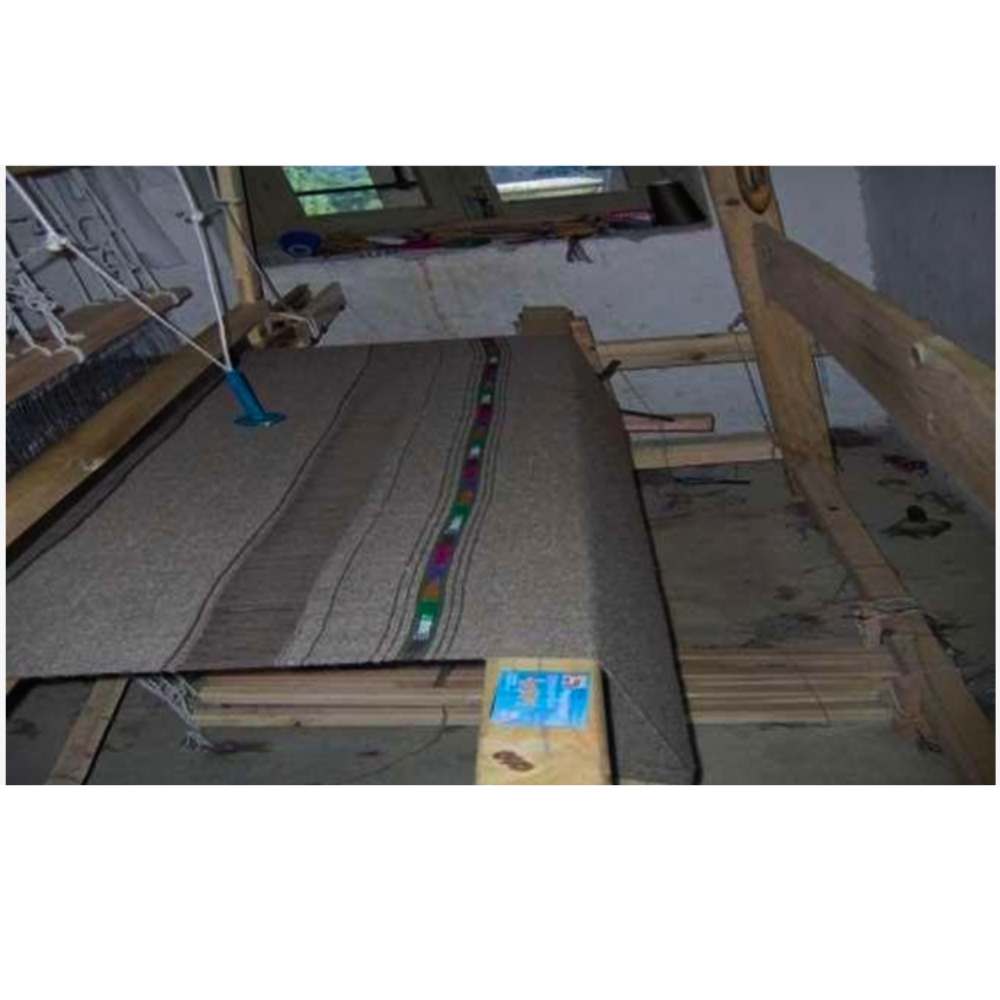
WADDAN, our NGO, has achieved significant milestones in promoting cottage industries and empowering the local community. One of our notable accomplishments is the establishment of a handlooms station in Dir and the implementation of a project supported by the Dir Area Support Project (DASP-IFAD Funded Government Project). This initiative aimed to uplift the standard of living for unskilled and unemployed youth in the district.
Under this project, WADDAN provided training to 50 youth in handloom operations and the production of woolen products. The training focused on equipping them with the necessary skills to create marketable and high-quality items. By linking the trained individuals with a wider market through the development of linkages, we were able to create job opportunities for the local youth. This not only helped in reducing unemployment but also contributed to the economic growth of the region.
Additionally, in collaboration with WADP/DDDP-Govt funded project, WADDAN established a handlooms station in Jabber Usharai, Dir Upper. The objective of this initiative was to provide training in shawl weaving skills to unemployed youth. This training program was successfully implemented, enabling the participants to acquire valuable skills and improve their employability prospects.
WADDAN, a non-governmental organization, is committed to promoting and creating opportunities for women in income generation. In line with this vision, the organization collaborated with the Malakand Development Program (MDP) to establish a handlooms station specifically for women in Dir Upper.
Through this partnership, MDP implemented the project and provided two months of weaving training to the women. WADDAN, however, played a key role in closely monitoring the training program, ensuring that the women were equipped with skills that could be translated into sustainable income- generating activities.
By providing technical oversight and monitoring support, WADDAN sought to foster inclusivity and empower the women of Dir Upper, ultimately working towards improving the overall socio-economic conditions in the district. The organization’s involvement in this project was focused on ensuring the effective delivery and impact of the training program, without direct financial contributions.
7. Responding to Natural Disasters: Relief Operations in the Face of Severe Thunderstorms, Floods, and Heavy Rainfall in Usharai
One of the significant achievements of our organization, WADDAN, was our successful relief operations in response to natural disasters, specifically the severe thunderstorm, flood, and heavy rainfall in Usharai. This unfortunate event occurred on July 20, 2007, impacting two villages in the Usharai valley of Dir Upper. The calamity resulted in devastating consequences, including the loss of human lives, destruction of land, properties, and livestock. Over 50 people lost their lives, and hundreds were injured. The affected area was completely cut off from the rest of the country, exacerbating the gravity of the situation.
In collaboration with CARAVAN Khyber Pakhtunkhwa and Relief International, WADDAN took immediate action to provide emergency relief to the survivors and victims of this natural disaster. With the financial assistance received from these organizations, we were able to offer crucial support to those affected. Our primary focus was to address the immediate needs of the affected population, including their requirements for food and non-food items.
Recognizing the urgency of the situation, WADDAN swiftly mobilized its resources and deployed a relief team to the affected area. Our dedicated team worked tirelessly to assess the needs of the survivors and victims. By conducting thorough assessments, we gained a comprehensive understanding of the specific challenges faced by the affected community.
Based on our assessments, we then procured and distributed essential items such as food supplies, clean drinking water, shelter materials, and hygiene kits. These provisions aimed to alleviate the suffering of the survivors and provide them with the necessary support during this difficult time. Additionally, we collaborated with local authorities and other relevant stakeholders to ensure a coordinated and efficient relief operation.
The relief efforts undertaken by WADDAN played a crucial role in providing immediate assistance and relief to the affected population. Our interventions not only addressed their immediate needs but also contributed to the process of recovery and rebuilding. By working in partnership with CARAVAN Khyber Pakhtunkhwa and Relief International, we were able to maximize our impact and reach a larger number of affected individuals.
Overall, our relief operations in response to the severe thunderstorm, flood, and heavy rainfall in Usharai showcased WADDAN’s commitment to providing timely and effective support during times of crisis. Through our efforts, we helped alleviate the suffering of the affected population and played a significant role in assisting them in their path towards recovery and rebuilding their lives. On July 20, 2007 a severe thunder storm hit two villages of Usharai valley of Dir upper that caused heavy losses to human lives, land, properties and livestock. More than 50 people were died while hundreds were injured. Houses were completely collapsed and the area was cut off from rest of the country.
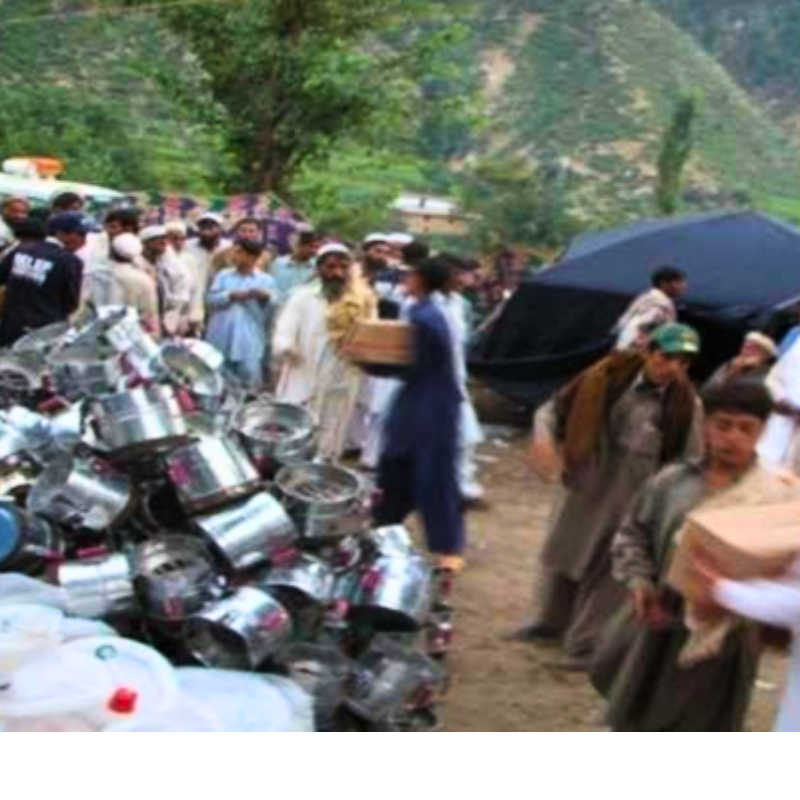
With the financial assistance of CARAVAN Khyber Pakhtunkhwa and Relief International, WADDAN provided emergency relief to the survivors and victims of this natural disaster by providing them with food and nonfood items
8. Enhancing Well-being through Distribution of Food Items and Hygiene Kits
WADDAN has achieved a commendable milestone in its ongoing efforts to minimize waterborne diseases through the regular distribution of Health and Hygiene Kits to underprivileged families in the District Dir Upper. This initiative plays a vital role in addressing the immediate needs of the community, particularly those facing economic hardship and vulnerability.
Recognizing the importance of hygiene and its impact on disease prevention, WADDAN has taken proactive measures to distribute Health and Hygiene Kits to those in need. These kits include essential items such as soap, toothpaste, toothbrushes, sanitary pads, and other personal hygiene products that are crucial for maintaining cleanliness and preventing the spread of diseases.
In addition to the distribution of kits, WADDAN has partnered with CARAVAN and TDH to conduct awareness creation sessions in schools and communities. These sessions serve as platforms for educating individuals on the significance of health and hygiene practices, empowering them with knowledge to make informed decisions about their well-being.
By engaging with schools and communities, WADDAN ensures that the information reaches a wide audience, including children, who can actively adopt and promote healthy habits. These awareness sessions are designed to create a lasting impact and promote sustainable behavior change, leading to improved health outcomes for the community as a whole.
The distribution of Health and Hygiene Kits is carried out on a need basis, with WADDAN identifying and prioritizing the most vulnerable families in the District Dir Upper. This targeted approach ensures that resources are directed towards those who require immediate assistance, maximizing the impact of the initiative.
Through these efforts, WADDAN aims to alleviate the burden of waterborne diseases and improve the overall well-being of the community. By providing essential hygiene items and promoting awareness, the organization plays a crucial role in empowering individuals to take control of their health and make informed decisions.
The collaboration with CARAVAN and TDH strengthens the initiative, as it allows WADDAN to leverage the expertise and resources of these organizations. By working together, they are able to reach a larger audience, enhance the effectiveness of the awareness sessions, and ensure the sustainability of the initiative.
In conclusion, WADDAN’s achievement in the regular distribution of Health and Hygiene Kits, alongside conducting awareness creation sessions, demonstrates its commitment to minimizing waterborne diseases and improving the overall health and well-being of vulnerable families in the District Dir Upper. Through these initiatives, WADDAN not only addresses immediate needs but also fosters a culture of hygiene and health awareness, creating a positive and lasting impact on the community.
9. Disaster Recovery and Humanitarian Relief Efforts in Post-Conflict Malakand Division
From 2007-09, the Malakand Division, including the Dir district, was significantly impacted by military operations against terrorist groups. This resulted in the displacement of many families and the disruption of normal livelihood activities in the region. The vulnerable communities in Dir faced acute shortages of food, shelter, and other essential non-food items.
To address the immediate humanitarian needs of the affected populations, the Relief Distribution Project was initiated in the Dir district. The project was supported by multiple donors who provided essential relief items. WADDAN, a non-governmental organization, provided professional services to support the implementation of this project.
10. Rapid Deployment: WADDAN’s Exemplary Emergency Response in Flood-Affected Areas of Pakistan
WADDAN, an esteemed organization specializing in emergency response and disaster management, has showcased its exceptional ability to rapidly deploy emergency response teams to flood-affected areas across Pakistan. By swiftly mobilizing its resources and personnel, WADDAN ensures timely assistance to affected communities, thereby mitigating the impact of floods and providing critical support during these challenging times.
- Efficient Coordination and Preparedness:
- Swift Assessment and Strategic Planning:
- Well-Trained Emergency Response Teams:
- Rapid Mobilization and Deployment:
- Timely Assistance and Community Support:
Conclusion:
WADDAN’s exceptional ability to rapidly deploy emergency response teams to flood-affected areas across Pakistan demonstrates its commitment to providing timely assistance to affected communities. Through efficient coordination, strategic planning, well-trained teams, and rapid mobilization, WADDAN ensures that critical support reaches those in need promptly. By exemplifying the importance of rapid deployment in emergency situations, WADDAN sets a high standard for effective disaster response and serves as a role model for other organizations involved in emergency management.
11.Strengthening Maternal Healthcare Empowering Traditional Birth Attendants
through Trainings:
WADDAN has successfully conducted comprehensive training programs for traditional birth attendants
| 1212. Strengthening Maternal Healthcare Empowering Traditional Birth Attendants |
(TBAs) in selected Union Councils of District Dir Upper. The primary objective of this initiative was to equip TBAs with the most up-to-date information and essential skills required to enhance maternal healthcare.
Recognizing the crucial role TBAs play in the field of maternal healthcare, WADDAN implemented targeted training programs to ensure that they are equipped with the latest knowledge and techniques. The training covered a wide range of topics, including hygiene practices during childbirth, identification of high-risk pregnancies, recognizing danger signs, and proper referral procedures.
By investing in the training and development of TBAs, WADDAN aimed to strengthen the existing healthcare system and bridge gaps in maternal healthcare services. Empowering TBAs with up-to-date information and skills is vital in providing safe and effective care for expectant mothers, ultimately contributing to the reduction of maternal and neonatal mortality rates.
The training programs for TBAs not only focused on technical aspects but also emphasized the importance of effective communication, empathy, and respect for cultural practices. By fostering a compassionate and culturally sensitive approach, TBAs can establish trust and encourage positive health-seeking behaviors among expectant mothers and their families.
WADDAN’s achievement in training TBAs highlights its commitment to improving maternal healthcare outcomes in District Dir Upper. By providing TBAs with the necessary tools and knowledge, WADDAN aims to enhance the quality of care provided to expectant mothers, ensuring safer and healthier childbirth experiences.
Through this initiative, WADDAN contributes to the overall well-being of mothers and infants in District Dir Upper, striving to create sustainable improvements in maternal healthcare outcomes. By empowering TBAs with up-to-date information and skills, WADDAN plays a crucial role in strengthening the healthcare system and promoting healthier communities.
12. Empowering Local Communities: Formation of Community-Based Organizations (CBOs), Health Management Committees (HMCs), and Capacity Building
Recognizing the importance of community involvement in sustainable development work, efforts have been made to activate existing Community-Based Organizations (CBOs) and establish new ones. This initiative aims to ensure the active participation of local communities in developmental projects. Additionally, comprehensive training programs have been implemented to enhance the capacity of CBOs and Health Management Committees (HMCs).
By engaging and mobilizing local communities through CBOs, the aim is to foster ownership, participation, and sustainability in development endeavors. These community-driven organizations serve as platforms for collective decision-making, resource mobilization, and implementation of various initiatives.
To support the effectiveness of CBOs and HMCs, capacity-building programs have been designed and implemented. These training sessions focus on enhancing the knowledge and skills of community members, enabling them to effectively manage and lead community-based healthcare initiatives.
The capacity-building programs cover a broad range of topics, including project management, financial management, community mobilization, and effective communication. By equipping community members with these essential skills, they become better equipped to address local health challenges and contribute to sustainable development.
The formation of CBOs and HMCs, along with capacity-building initiatives, ensures that local communities play an active role in decision-making processes, implementation, and monitoring of healthcare projects. This participatory approach strengthens community ownership, fosters sustainability, and improves the overall effectiveness of development efforts.
In conclusion, the formation of Community-Based Organizations (CBOs), Health Management Committees (HMCs), and capacity-building programs are vital components of empowering local communities. By actively involving community members, these initiatives promote sustainable development, enhance local decision-making, and improve the overall management of healthcare
projects. Through these community-driven efforts, a collaborative and inclusive approach is fostered, ultimately leading to improved health outcomes and lasting positive change.
13. Empowering Communities through Inclusive Social Protection:
Promoted the inclusion and accessibility of the Ehsaas Program for marginalized and vulnerable groups.
WADDAN has launched an awareness raising drive across the tehsil to inform BISP beneficiaries about the exact time and dates for their quarterly stipend payment processing. The initiative is part of BISP’s commitment to ensure more transparent approach in tranche disbursement. The campaign is not only reducing the fiduciary risks involved, but also educate the beneficiaries about the exact amount of stipend per beneficiary along with complete information for withdrawal of their money.
The Ehsaas Program is a comprehensive social protection and poverty alleviation initiative by the Government of Pakistan. WADDAN, a leading development organization, recognized the importance of inclusive social mobilization for the successful implementation of the Ehsaas Program. Through this project, WADDAN:
Raised awareness and understanding of the Ehsaas Program and its initiatives among local communities.
Facilitated the establishment of community-based platforms for stakeholder participation.
Provided training to empower local stakeholders in outreach and support for potential beneficiaries.
Promoted the inclusion and accessibility of the Ehsaas Program for marginalized and vulnerable groups.
14. Empowering Communities through Social Organizations and mobilization:
WADDAN recognizes the significance of social organization and mobilization as integral components of its program areas. Viewing social organization as a means of fostering self-reliance among target communities, WADDAN actively encourages local participation in development efforts. The social organization and mobilization component of WADDAN’s program specifically aims to empower local communities, with a particular emphasis on women, by enhancing their capacities and involving them at all stages of development initiatives.
WADDAN plays a vital role in the formation and support of Community-Based Organizations (CBOs), Village Organizations (VOs), and Local Support Organizations (LSOs). These entities serve as platforms for collective decision-making, resource mobilization, and the implementation of community-driven projects. By facilitating the establishment of these organizations, WADDAN fosters a sense of ownership and responsibility among community members, enabling them to actively contribute to their own development.
Through social organization and mobilization, WADDAN seeks to build the capacities of community members, including women, by providing them with training, knowledge sharing, and leadership development opportunities. By empowering individuals at the grassroots level, WADDAN promotes sustainable development and ensures that community voices are heard and considered in decision-making processes.
Furthermore, WADDAN recognizes that social organization and mobilization are instrumental in addressing social and economic inequalities, promoting gender equality, and fostering inclusive development. By actively involving women and marginalized groups in the formation and functioning of social organizations, WADDAN aims to create a more equitable and just society.
In conclusion, WADDAN’s commitment to social organization and mobilization underscores its dedication to grassroots empowerment and community-driven development. By facilitating the formation of CBOs, VOs, and LSOs, WADDAN enables local communities to take charge of their own development agendas. Through capacity building and inclusion, WADDAN ensures that the voices of community members, especially women, are heard, leading to more sustainable and impactful outcomes.
15. Strengthening Communities through Primary Health Care (PHC):Promoting Preventive Health and Empowering Individuals
Primary Health Care focuses on the promotion of preventive health among partner communities. This covers health education, training of traditional birth attendants and linkages with other institutions and departments.
16. Gender Development: Empowering Women and Promoting Gender Equality
WADDAN, through its dedicated efforts in gender development, has made significant achievements in empowering women and promoting gender equality in the communities it serves. The following represents one of the notable accomplishments of the NGO in this area:
Formation and Strengthening of Women’s Organizations: WADDAN has successfully facilitated the establishment and strengthening of women’s organizations across the district. These organizations serve as empowering platforms for women to voice their concerns, advocate for their rights, and actively participate in decision-making processes. By providing training, resources, and support, WADDAN has enabled these organizations to become vibrant and effective agents of change.
These women’s organizations have played a crucial role in promoting gender equality and women’s empowerment. They have organized awareness campaigns, workshops, and training sessions on various topics such as gender-based violence, reproductive health, financial literacy, and leadership skills. Through these initiatives, women have gained knowledge, confidence, and skills to actively participate in community development and challenge gender norms.
Furthermore, the women’s organizations have fostered a sense of solidarity and sisterhood among women, providing a safe space for them to share experiences, support each other, and collectively address issues that affect their lives. This sense of community has helped to strengthen women’s resilience, amplify their voices, and drive positive change at both the individual and community levels.
Overall, WADDAN’s achievements in gender development, particularly in the formation and strengthening of women’s organizations, have made a lasting impact on the lives of women in the communities it serves. By empowering women and promoting gender equality, WADDAN has contributed to creating a more inclusive and equitable society where women can fully participate, thrive, and contribute to the overall development of their communities.
17. Advocacy Influential Advocacy for Positive Change
WADDAN has achieved significant milestones in advocacy, effectively leveraging its position as an NGO to advocate for positive change on various social, economic, and environmental issues. The following represents one of the notable achievements of WADDAN in advocacy:
Policy Impact and Legislative Change: Through targeted advocacy efforts, WADDAN has successfully influenced policy and legislative changes that have had a transformative impact on the communities it serves. By conducting thorough research, gathering evidence, and engaging with key stakeholders, WADDAN has effectively advocated for policies that promote social justice, protect human rights, and address the root causes of inequality and marginalization.
WADDAN’s advocacy initiatives have resulted in the implementation of laws and regulations that support vulnerable populations, enhance access to essential services, and promote sustainable development. These policy changes have positively impacted areas such as education, healthcare, gender equality, environmental conservation, and social welfare.
Furthermore, WADDAN has actively engaged with government officials, civil society organizations, and other stakeholders to raise awareness about critical issues and foster dialogue for meaningful change. By organizing conferences, workshops, and public campaigns, WADDAN has created platforms for open discussions, where diverse voices can be heard, and collaborative solutions can be explored.
WADDAN’s advocacy achievements have not only resulted in tangible policy changes but have also contributed to a shift in societal attitudes and perceptions. Through public awareness campaigns and grassroots mobilization, WADDAN has successfully generated broader support and understanding for social issues, challenging stereotypes, and promoting inclusive values.
Overall, WADDAN’s achievements in advocacy have made a significant impact on the lives of individuals and communities by bringing about transformative policy changes, raising awareness, and fostering meaningful dialogue. By advocating for positive change, WADDAN continues to be a driving force in creating a more equitable, just, and sustainable society.
18. Community Physical Infrastructure Schemes (CPI):Promoting Accessible and Safe Infrastructure for Communities
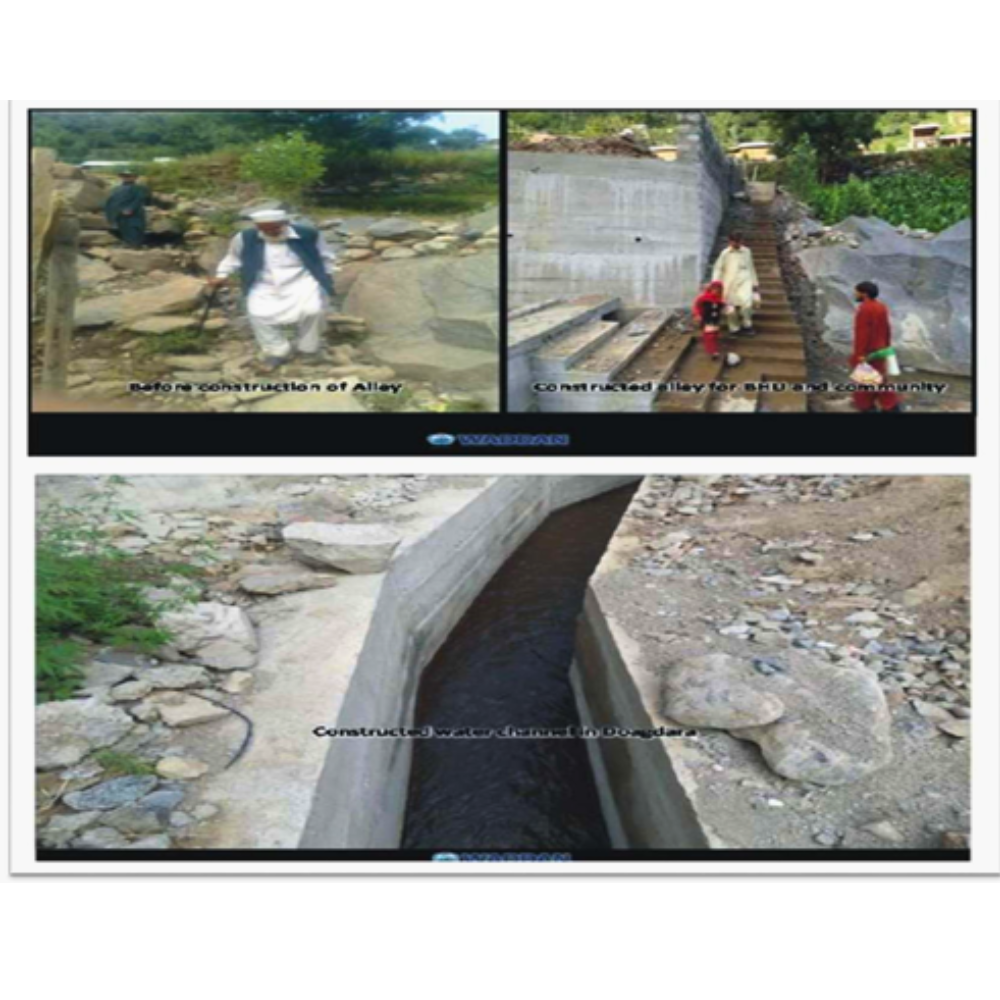
Access to proper physical infrastructure is a fundamental right of every citizen, enabling them to meet their basic needs and improve their quality of life. In the district of Dir, where significant infrastructure damage occurred due to the ongoing military operation against the Taliban, WADDAN recognized the pressing need to restore and enhance community physical infrastructure. One notable achievement in this regard is the construction of a pavement adjacent to the BHU Doag Dara, which has greatly improved the mobility and safety of the local community.
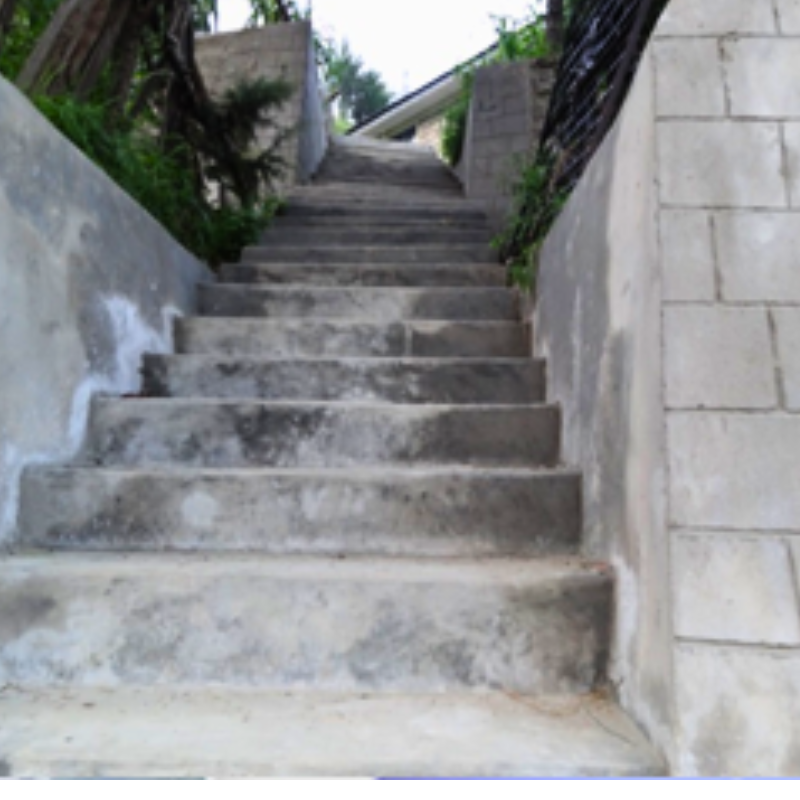
The hilly and sloped terrain of Dir posed challenges for community members, particularly the elderly, when it came to moving around safely. Recognizing this issue, WADDAN took proactive steps to address the mobility concerns of the community by constructing a pavement. This infrastructure project has provided a level and stable pathway, ensuring that people can traverse the area with ease and reduced risk of accidents or injuries.
By constructing the pavement adjacent to the BHU Doag Dara, WADDAN has not only improved the physical infrastructure but has also enhanced access to healthcare services. The pavement facilitates the safe and convenient movement of community members, particularly those seeking medical assistance or visiting the BHU for healthcare needs. This has had a positive impact on the overall well-being of the community, ensuring that individuals can access healthcare services promptly and without unnecessary difficulties.
WADDAN’s efforts in community physical infrastructure schemes, such as the construction of the pavement,
and small retaining walls within the target communities. These infrastructure improvements not only enhanced accessibility and connectivity but also integrate disaster risk reduction and management (DRR/DRM) measures to strengthen the resilience of the built environment.
WADDAN has not only restored a sense of normalcy to the community but has also empowered individuals to actively engage in their daily activities and access essential services more efficiently. In summary, WADDAN’s achievement in constructing a pavement adjacent to the BHU Doag Dara highlights its dedication to promoting accessible and safe physical infrastructure for communities. By addressing the mobility challenges faced by community members, especially in the aftermath of infrastructure damage, WADDAN has played a vital role in restoring normalcy and improving the overall well-being of the residents in the Dir district
19. Harmony for a Sustainable Future: WADDAN’s Achievements in Climate Change and Environmental Conservation
Reforestation Campaign: WADDAN successfully launched a large-scale reforestation campaign in partnership with local communities. Over the past year, we have planted over 40,000 trees in deforested areas, helping to restore ecosystems, combat climate change, and promote biodiversity.
Climate-Resilient Agriculture: WADDAN supported farmers in adopting climate-resilient agricultural practices. We provided training on sustainable farming techniques, such as organic farming, agroforestry, and water-efficient irrigation methods. These practices have improved crop yields, reduced soil erosion, and minimized the environmental impact of agriculture.
Plastic Pollution Cleanup: WADDAN organized several community-led cleanup campaigns to tackle plastic pollution. Volunteers from local communities, schools, and businesses participated in these campaigns, removing tons of plastic waste from rivers, beaches, and public spaces. We collaborated with waste management authorities to ensure proper disposal and recycling of collected waste.
Climate Change Awareness Workshops: WADDAN conducted awareness workshops on climate change in schools and community centers. We educated students, teachers, and community members about the impacts of climate change and the importance of sustainable practices. These workshops included interactive sessions, presentations, and discussions to foster a greater understanding of environmental issues.
Waste Management Training: WADDAN organized waste management training programs in collaboration with local authorities. We trained community members on waste segregation, recycling techniques, and composting. By promoting responsible waste management practices, we aimed to reduce the environmental impact of waste and promote a circular economy.
Water Conservation Project: WADDAN initiated a water conservation project, focusing on water-saving techniques and the restoration of water bodies. We implemented rainwater harvesting systems in communities, promoted efficient irrigation methods, and raised awareness about the importance of water conservation. This project aimed to ensure sustainable water resources for communities and protect freshwater ecosystems.
Promoting overseas employment:
- WADDAN collaborated with recruitment agencies in Gulf countries, such as Saudi Arabia, UAE, and others, to facilitate job placements for the local communities.
- Extensive awareness campaigns were conducted to inform the communities about the job opportunities and support them in the application process.
- This initiative helped provide alternative and more lucrative income sources, reducing the need for unsustainable deforestation.
- Establish a network of “Eco-Guardians” to champion environmental conservation and inspire others.
These achievements demonstrate WADDAN’s commitment to environmental sustainability, community engagement, and the promotion of sustainable practices. Through these activities, WADDAN has made a positive difference in the lives of communities and contributed to the protection and conservation of the environment.
20. Strengthening Resilience: WADDAN’s Achievements in Disaster Risk Reduction and Management
Community Capacity Building: WADDAN conducted comprehensive community capacity building programs to enhance disaster preparedness and response. We organized training sessions on first aid, search and rescue techniques, and emergency evacuation procedures. These initiatives empowered communities to effectively respond to disasters and minimize loss of life and property.
Risk Assessment and Mapping: WADDAN conducted risk assessments and vulnerability mapping exercises in collaboration with local communities and experts. We identified high-risk areas, assessed vulnerabilities, and developed risk reduction strategies. These assessments have guided the implementation of targeted interventions to reduce disaster risks and enhance community resilience.
Infrastructure Resilience: WADDAN worked on enhancing the resilience of critical infrastructure to withstand natural disasters.
Emergency Response and Relief: WADDAN played a crucial role in providing emergency response and relief in disaster-affected areas. We organized and coordinated rapid response teams, distributed essential supplies, and facilitated access to healthcare services. Our prompt response has helped affected communities to recover and rebuild after disasters.
Community-Based Early Recovery: WADDAN implemented community-based early recovery programs to support affected communities in the aftermath of disasters. We focused on livelihood restoration, providing vocational training, and supporting income-generating activities. These initiatives have helped communities regain their economic stability and reduce their dependency on external assistance.
Knowledge Sharing and Collaboration: WADDAN actively engaged in knowledge sharing and collaboration with other organizations and stakeholders in the field of disaster risk reduction and management. We participated in conferences, workshops, and working groups to share best practices, lessons learned, and innovative approaches. This collaboration has fostered a collective effort towards building resilience and reducing disaster risks.
Policy Advocacy: WADDAN advocated for robust disaster risk reduction policies and frameworks at local, national, and international levels. We engaged with policymakers, contributed to policy dialogues, and provided evidence- based recommendations. Our advocacy efforts have influenced the development of policies that prioritize disaster risk reduction and promote sustainable development.
These achievements demonstrate WADDAN’s commitment to disaster risk reduction and management, ensuring community resilience and safeguarding lives and livelihoods.
21. Thriving Olive Plantation and Empowered Farmers: WADDAN’s Agricultural Achievements
Olive Plantation Establishment: WADDAN successfully established an olive plantation project, providing a sustainable
source of income for local farmers. We identified suitable land, prepared it for cultivation, and procured high-quality olive saplings to ensure optimal growth and productivity.
Farmer Training Programs: WADDAN organized comprehensive training programs for farmers involved in olive cultivation. We conducted sessions on best agricultural practices, including proper irrigation techniques, pruning methods, and effective pest management. Through these trainings, we equipped farmers with the necessary skills to maximize olive production and quality.
Adoption of Sustainable Practices: WADDAN advocated for the adoption of sustainable farming practices in olive cultivation. We emphasized environmentally friendly approaches, such as organic fertilization, integrated pest management, and water conservation techniques. By promoting sustainable practices, we aimed to ensure the long- term health and productivity of the olive plantation.
22. Empowering Farmers and Promoting Sustainable Agriculture: WADDAN’s Achievements”
Improved Seed Quality: WADDAN collaborated with local seed suppliers to ensure the availability of high-quality seeds for farmers. Through conducting seed quality assessments, we identified reliable suppliers and promoted the use of certified seeds. This achievement resulted in improved crop yields and enhanced productivity for farmers in the community.
Farmer Training Workshops: WADDAN organized workshops on basic agricultural techniques, including proper planting, crop management, and pest control. These workshops equipped farmers with essential knowledge and skills, empowering them to make informed decisions and adopt best practices in their farming activities. This achievement led to increased agricultural productivity and improved livelihoods for participating farmers.
Demonstration Plots: In collaboration with local farmers, WADDAN set up demonstration plots to showcase the benefits of adopting improved agricultural practices. Through techniques such as intercropping, mulching, and composting, farmers were able to witness firsthand the positive impact on crop health and yields. This achievement inspired farmers to implement these practices on their own farms, leading to sustainable agricultural growth in the community.
Soil Health Improvement: WADDAN promoted the use of organic fertilizers and conducted soil testing to help farmers understand and address soil nutrient deficiencies. By distributing soil testing kits and providing guidance on soil amendments, we supported farmers in improving soil health and optimizing nutrient balance. This achievement resulted in enhanced crop quality and increased resilience to environmental factors.
Community Gardens: WADDAN established community gardens in collaboration with local residents, promoting urban agriculture and encouraging the cultivation of fresh produce. These gardens not only improved access to nutritious food but also fostered community engagement and empowerment. This achievement strengthened community bonds and contributed to food security at the local level.
Farmer Exchange Programs: WADDAN facilitated knowledge exchange among farmers by organizing visits to successful agricultural projects and encouraging peer-to-peer learning. Through farmer exchange programs, farmers had the opportunity to gain valuable insights and inspiration from their peers, leading to the adoption of innovative techniques and improved farming practices. This achievement promoted a culture of continuous learning and improvement within the farming community.
Market Linkages: WADDAN assisted farmers in connecting with local markets, restaurants, and food cooperatives to sell their produce directly. By organizing farmer’s markets and facilitating partnerships with local businesses, we created sustainable market linkages for farmers. This achievement enhanced farmers’ income opportunities and contributed to the economic growth of the community.
Environmental Awareness Campaigns: WADDAN conducted awareness campaigns on sustainable agriculture, water conservation, and biodiversity conservation. Through community workshops, educational materials, and social media campaigns, we raised awareness about the importance of environmentally friendly farming practices. This achievement fostered a sense of environmental stewardship among farmers and the wider community.
23. WADDAN NGO’s Accomplishments in Combating COVID-19
| 23. WADDAN NGO’s Accomplishments in Combating COVID-19 |
WADDAN’s achievements in combating COVID-19 are a testament to our commitment to public health and community welfare. Through our public awareness campaigns, distribution of PPE, support for healthcare infrastructure, mental health initiatives, community relief programs, and vaccination drives, we have made a significant impact in mitigating the effects of the pandemic. WADDAN remains steadfast in its dedication to supporting individuals and communities as we collectively work towards a healthier and more resilient future.
24. Fostering Inclusive Education and Empowering Communities: WADDAN NGO’s Impactful Achievements in the Education Sector
WAWADDAN NGO’s achievements in the education sector reflect our commitment to promoting inclusive and quality education. Through initiatives such as improving access to education, providing scholarships, enhancing digital literacy, supporting teacher training, developing curriculum resources, facilitating vocational training, and promoting community engagement, WADDAN has made a significant impact on the lives of individuals and communities. By continuing to prioritize education, WADDAN strives to empower individuals and contribute to sustainable development through knowledge and skills.DDAN NGO’s achievements in the education sector reflect our commitment to promoting inclusive and quality education. Through initiatives such as improving access to education, providing scholarships, enhancing digital literacy, supporting teacher training, developing curriculum resources, facilitating vocational training, and promoting community engagement, WADDAN has made a significant impact on the lives of individuals and communities. By continuing to prioritize education, WADDAN strives to empower individuals and contribute to sustainable development through knowledge and skills.